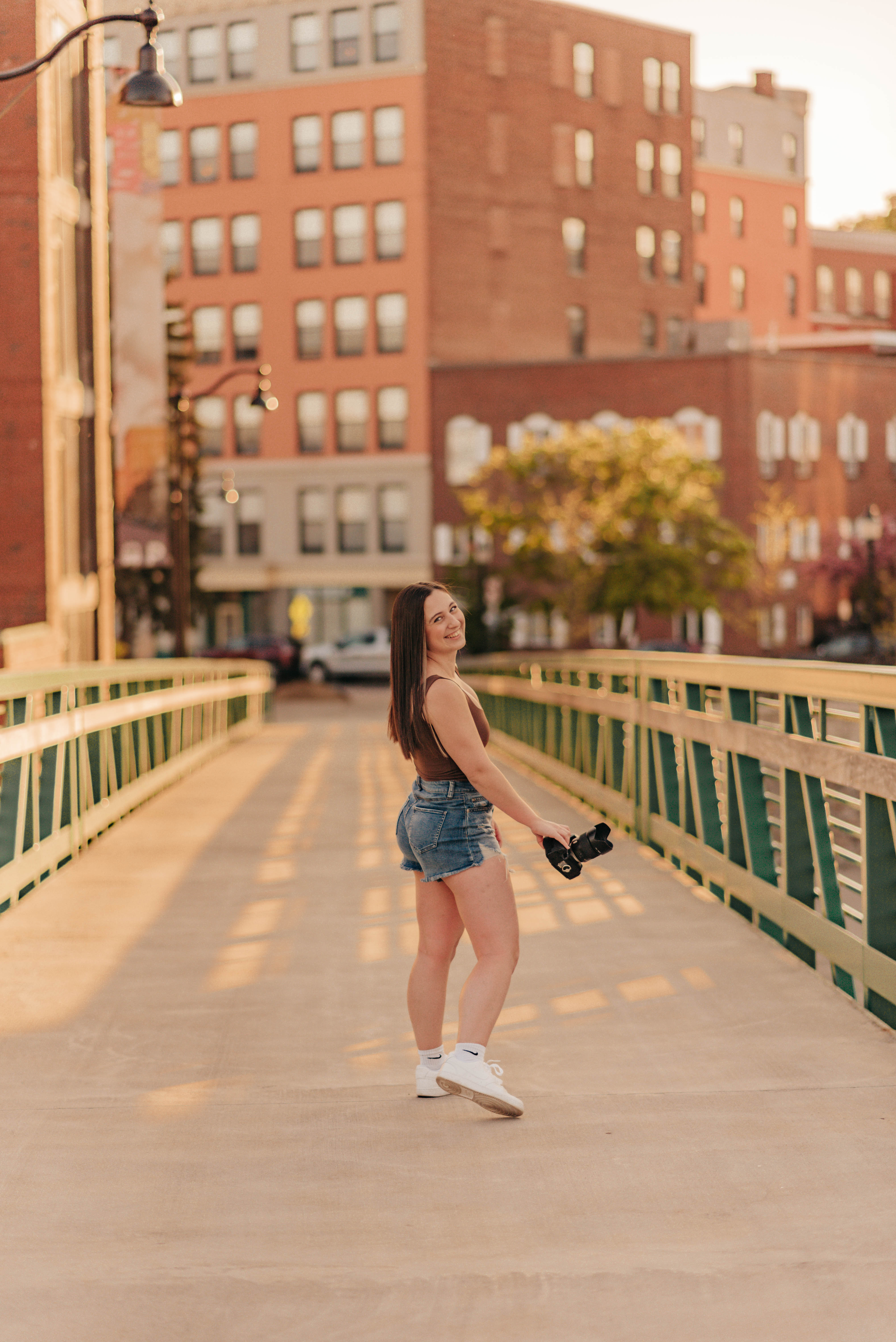

I ran cross country and outdoor in high school. Then I graduated high school, went off to Husson University to become a physical therapist and on the side picked up a camera, and learned that watching a meet from the infield is a completely different sport than running one.
A typical Maine outdoor meet runs about six hours. The first heats start around 3 PM and the relays usually wrap up close to 9. If you are a parent, that is a folding chair, a thermos, two trips back to the car for sweatshirts, and a slow drift between the long jump pit and the discus circle as you try to figure out where your kid's next event went. If you are a photographer, that is the same shuffle plus a heavier bag and a constant calculation about where the light is going to be at 6:30.
Last week was the second real week of outdoor across the state. Nine meets, close to 4,000 results, and a few performances I would have stopped to watch even if I was not getting paid for it.
What stood out
Ali Carter of Falmouth opened the boys 100 with an 11.00 at the SMAA meet at Marshwood on April 28. He was the first sub 11.05 of the outdoor season anywhere in Maine. Osman Mohamed of Lewiston went 11.16 at Mt. Blue the next day. Two different programs, two different ends of the state, both moving.
On the girls side, Jacqueline Diallo of Traip ran a 12.47 at Gray New Gloucester on May 1. Miah Jacobs of Yarmouth went 12.52 at Sacopee Valley the day before. Both opened up later in the week than the boys, which is part of what makes the late April meets feel like a slow build instead of a starting gun.
The distance lanes had the most fun. William Morris of Dirigo dropped a 9:47.00 in the boys 3200 at Hall-Dale on April 28. Alfie Cognata of Winthrop went 4:35.38 in the 1600 at the same meet. The MVC meet was small and quiet and somebody ran a sub 4:36 mile in front of about forty parents. That was the moment of the week.
Anna Jennings of Marshwood jumped 17 feet 1 and three quarter inches in the long jump at the SMAA meet. Jaiden Hebert of Lawrence threw the discus 157 feet 9 inches at his home meet on April 25, then backed it up with a 154 footer four days later. Two meets in a row at that distance is the part of the data nobody talks about. Anyone can throw 157 once. Throwing it twice is when you start telling people.
What you only see from the sideline
The box score does not show the freshman who showed up for her first varsity 800, ran a 2:55, and walked off the track looking equal parts proud and confused. It does not show the senior who has been showing up to throwers practice for four years and finally cracked 100 feet in the discus. It does not show the kid who false started in the 200, walked back to the line, and visibly took a breath before settling back in.
I notice these because I used to be them. There is a moment after a hard 1600 where you are bent over with your hands on your knees and the only thing in your head is the lap split that ruined the race. There is no photograph that captures that exactly, but you can feel it from the infield.
The truth about how long these meets are
An outdoor track meet is not really six hours of track. It is about an hour of track and five hours of waiting. Field events run on their own clock. Throws can take two hours just to get through one flight. The 4x400 always runs last and always starts later than the schedule says.
If you are a parent at your first outdoor meet this season, here is what nobody told me when I was the kid running and nobody is going to tell you now: bring snacks, bring sunscreen, bring a phone charger, and bring something to do during the dead hour between your kid's two events. Sit close to the long jump pit if you can. That is where the photos are best and the bleachers are quieter.
The state meet is the first weekend of June. About a month from now. Plenty of time for everyone to find another half second.
More from Analytics207: Track and Field · This week's picks · Every call, graded